
Quiet Luxury, Amplified by Layered Neutrals

Today we’re exploring Layering Neutrals: Color and Texture Strategies for Quiet Luxury Spaces, showing how hushed palettes gain impact through undertone harmony, tactile contrast, and thoughtful light. Expect practical tips, anecdotes from real rooms, and experiments you can try immediately, from paint and fabric sampling to finishes and styling, so serenity becomes richly dimensional rather than flat. Share what you test with us.

Grounding the Palette: Undertones, Contrast, and Calm

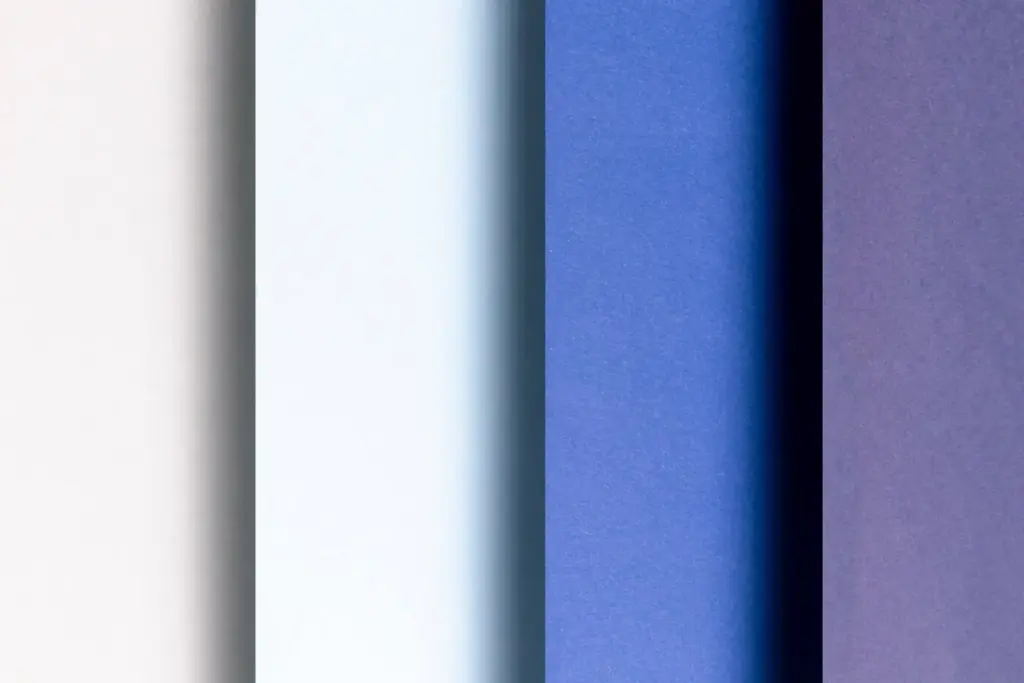
Begin by building a family of neutrals with related undertones, so every surface speaks quietly in the same language. Compare swatches against true white and against known warm and cool references, then observe at morning, noon, and evening. Aim for several gentle value steps to avoid monotony, introducing one deliberate deep note for punctuation. This method creates calm that still moves, a foundation ready for layered texture and light.

Tactile Layers: Textiles, Woods, and Plaster That Breathe

Textiles That Whisper

Prioritize natural fibers with air in the weave, so light grazes and animates surfaces. Belgian linen, wool bouclé, and brushed cotton add lift without glare, while cashmere or alpaca throws offer cozy relief in winter. Let drapery kiss the floor, pooling slightly to emphasize softness and a tranquil, tailored ease.

Quiet Hard Materials

Rift-cut oak reads orderly and modern; quarter-sawn shows medullary rays that shimmer gently. Consider soapstone or honed marble for touchable, low-sheen counters, sealed carefully. Lime plaster or tadelakt walls absorb and diffuse light, adding hand-made irregularity that feels human. These choices ground textiles, keeping the room’s whisper audible.

Finishes that Catch, Not Shout

Mix sheens intentionally: matte on broad planes for calm, eggshell where you want a gentle glow, and satin on small accents to signal quality without flash. Brushed metals, oiled wood, and stone waxes develop patina, creating an evolving surface narrative that rewards touch, use, and lingering attention.

Subtle Pattern and Movement

Pattern belongs in quiet rooms when it behaves like texture at a distance and reveals more up close. Think micro-herringbone, soft pinstripes, basketweaves, and restrained geometrics. Allow natural stone veining or wood grain to carry visual rhythm. The key is controlled scale and repetition that calms, not distracts.

Micro-Patterns that Read as Texture

Choose small-scale weaves and prints whose contrast sits within the same value range as adjacent solids, so they dissolve into a soft field. Up close, interest emerges; from across the room, tranquility holds. Use on pillows, headboards, or slipper chairs to layer character without stealing attention from form.

Stone Veining as Composed Poetry

Bookmatched slabs create a calm mirror effect, while soft, feathery veining reads restful compared with high-contrast streaks. Pair honed finishes with restrained cabinetry to let the stone’s natural drawing perform. Keep nearby materials quieter, and repeat the stone’s color gently in textiles to weave the story throughout the space.

Furnishings and Composition: Negative Space as a Material
Editing is as important as adding. Choose fewer, better pieces with softened silhouettes, generous seat depth, and honest materials. Leave breathing room between objects so light can lap around them. Style selectively—one sculptural lamp, a hand-thrown vessel, a stack of well-loved books—so each gesture registers, and the whole remains hushed.

Light as the Quiet Amplifier

Layered neutrals come alive under intentional lighting. Combine natural light management with layered fixtures—ambient, task, and accent—each on dimmers. Favor warm-dim, high-CRI sources so colors read true and materials glow. Use grazing to reveal plaster movement, wall washing for calm brightness, and shielded beams to eliminate glare and hotspots.

Longevity, Care, and Ethical Choices

Quiet luxury favors restraint, durability, and responsibility. Select renewable or certified materials, avoid disposables, and plan for maintenance from day one. Embrace patina as a record of life rather than damage. When pieces age gracefully, your layered neutrals gain history, warmth, and credibility that cannot be purchased overnight.

Materials that Age Gracefully

Choose solid woods with repairable finishes, wool rugs that rebound after compression, and vegetable-tanned leather that deepens rather than cracks. Replace plastic laminates with real veneer or stone. Specify slipcovers for washing and repair. Enduring materials let the palette mature beautifully, building authenticity with every year and gentle scuff.

Maintenance Rituals that Protect Calm

Vacuum wool and bouclé gently with a brush attachment, blot spills immediately with distilled water, and skip harsh cleaners that strip finishes. Condition wood and leather seasonally. Use felt pads, breathable rug pads, and proper curtain hems. These rituals preserve texture, color integrity, and the quiet confidence you crafted.

Investing Mindfully, Editing Regularly

Prioritize anchor pieces first—sofa, rug, dining table—then add secondary layers slowly, measuring how each addition affects light, acoustics, and circulation. Resell or donate what no longer supports calm. Subscribe for checklists and supplier guides; we share budgets, sources, and before-and-after stories that help you invest wisely without haste.
Zukezetaniziroxunuruka
Privacy Overview

This website uses cookies so that we can provide you with the best user experience possible. Cookie information is stored in your browser and performs functions such as recognising you when you return to our website and helping our team to understand which sections of the website you find most interesting and useful.